INVITATION TO TENDER/EXPRESSION OF INTEREST FOR YEAR 2026 CAPITAL PROJECT
The Federal College of Agriculture Ishiagu, Ebonyi State as an Institution under Federal Ministry of Agriculture and Food Security and the Agricultural Council of Nigeria hereby invites applications to tender from reputable and competent companies/Registered Dealers/Consultants for its 2026 Capital Projects as approved. Read Below
My vision is to create a nationally and globally competitive, multi-functional college that will respond to the academic needs of Nigerians; a college of agriculture that is a leader providing solutions, through cutting edge research and innovation, to the myriads of challenges facing the region and nation in sustainable food security, while producing an efficient middle level manpower that will champion sustainable and socio-economic development of Nigeria.
While acknowledging and recognizing the achievements of previous and current administrations of the college, as the Provost, my strategies and actions toward achieving my vision will be anchored on four key areas, namely: a.) College Administrative; b.) Teaching, Learning and Research Environment; c.) Fund Generation; and d.) Infrastructure Development (ICT Infrastructure/Civil works).
In line with my philosophy of openness, team work, and accountability, my aim, is to run an inclusive and transparent administration that is people centered, anchored on efficiency, effectiveness, service delivery (especially staff and students’ welfare), and academic excellence. In order to achieve my aim in terms of the college administration, I will focus on the followings:
To pursue academic excellence and ensure that Federal College of Agriculture, Ishiagu becomes one of the leaders in cutting edge research and development, and in producing an efficient manpower for the socio-economic development of the region and Nigeria in general, I will carry out the following:
To achieve my vision as regards making the College of Agriculture Ishiagu self-funding in the near future, I intend to increase the College’s internally generated revenue within the next four years. I hope to achieve this through the followings:
I will commit myself to massive investment in /and improvement of the existing infrastructure especially utilities (power, water, roads, etc.), classrooms, laboratories, and massive development of infrastructure. Key processes that I will embark on will include: addressing the lingering and current energy challenge facing the College by investing in clean energy for the College Community and completing already on-going structures and new hostel blocks to accommodate more students using the private public partnership mo-del.
38th FCAI Matriculation Ceremony
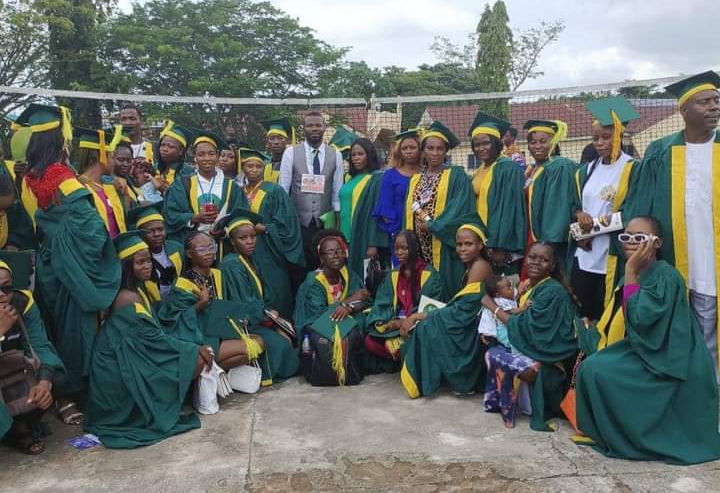
The Federal College of Agriculture, Ishiagu, Ebonyi State, held its 38th Matriculation Ceremony on 22nd May 2026. The event was a resounding success.
The ceremony drew high-profile dignitaries from across the South-East and beyond. Many who could not attend in person sent representatives.
Also in attendance were respected professors from leading universities, provosts from sister institutions, captains of industry, and members of the Internal Management Committee, alongside many Staffs of the college.
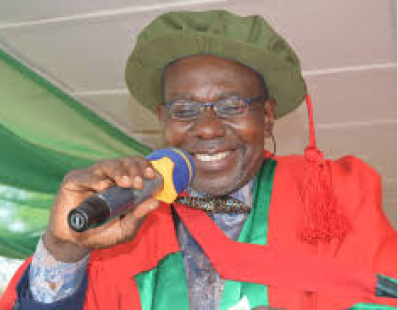
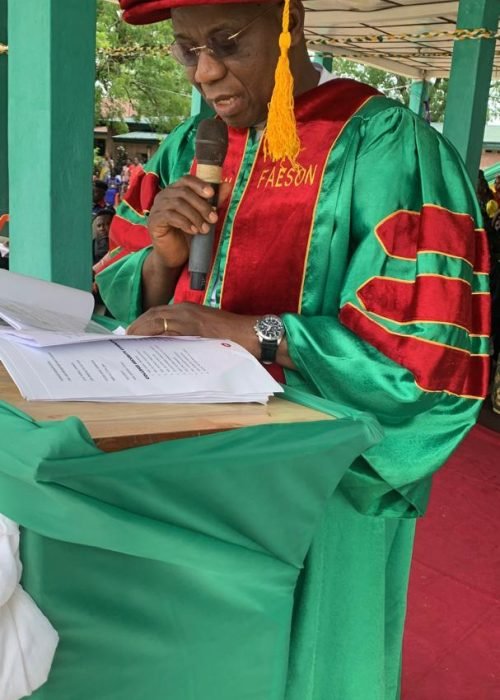
The Substantive Provost, Prof. Agwu Ekwe Agwu, delivered a practical and insightful address on the role of agriculture in ensuring food security in Nigeria. His speech inspired both the new students and guests. He also expressed gratitude to all dignitaries for gracing the occasion.
Following the end of formal proceedings, Prof. Agwu, Ekwe Agwu officially declared the 38th Matriculation Ceremony of Federal College of Agriculture, Ishiagu, closed after which the invited guests were treated to refreshments.
Provost Prof. A. E. Agwu Leads Campus-Wide Engagement Tour, Pledges Renewed Focus on Infrastructure and Staff Welfare
In a clear demonstration of open-door leadership and commitment to institutional renewal, the Provost of the Federal College of Agriculture, Ishiagu, Prof. Agwu Ekwe Agwu, today led his management team on an extensive familiarization and needs-assessment tour of the College community.

Fulfilling his pledge to give FCA Ishiagu “a new face,” Prof. Agwu visited over 20 academic and non-academic units and departments, engaging directly with staff at their duty posts. For more than five hours, under the midday sun, the Provost and his team walked the length and breadth of the campus, listening, observing, and interacting with members of staff in their work environment — a gesture many described as a mark of humility, accessibility, and togetherness.
At each stop, Heads of Department and Unit Heads were on ground to brief the Provost on their operations, achievements, and pressing challenges. Common concerns raised across units included poor working conditions, inadequate funding for key projects, unstable power supply, structural dilapidation, and the need to modernize administrative processes.
The Federal College of Agriculture, Ishiagu, remains committed to training skilled manpower, advancing applied research, and serving farming communities. Under the new administration, the College is set to strengthen infrastructure, improve staff welfare, and expand partnerships that will deliver a world-class learning environment.
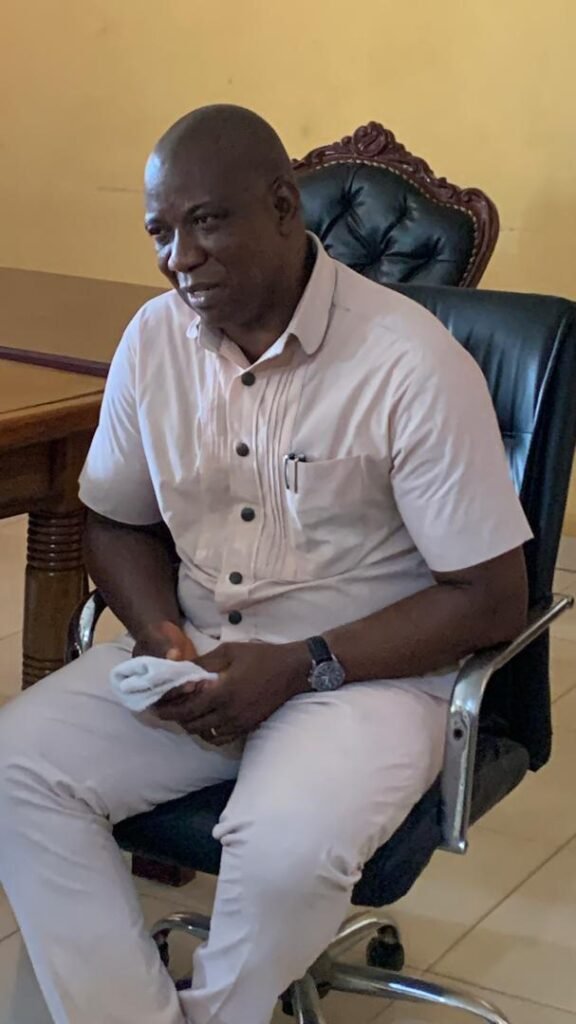
Responding, Prof. Agwu commended staff for their resilience and assured them that pragmatic steps will be taken to address the issues raised. He emphasized that all documented challenges would be prioritized and captured in the College’s subsequent financial plans and work programmes to ensure sustainable solutions.
The Provost also charged Heads of Departments and Units to remain proactive, innovative, and diligent in driving their mandates. “The College management has its role to play, but the greater responsibility for transformation lies with us — the staff at the frontline of teaching, research, and service,” he said. “If we combine institutional support with individual commitment, FCA Ishiagu will rise to become a reference point in agricultural training and innovation.”
Today’s tour marks the beginning of a series of structured engagements aimed at deepening participation, boosting morale, and aligning every unit with the College’s renewed vision for excellence. Staff across the departments welcomed the visit, noting that direct leadership engagement inspires confidence and accountability.
The second phase focused on ten departments and units, with particular attention to the College Clinic and the Department of Science Laboratory Technology (SLT).
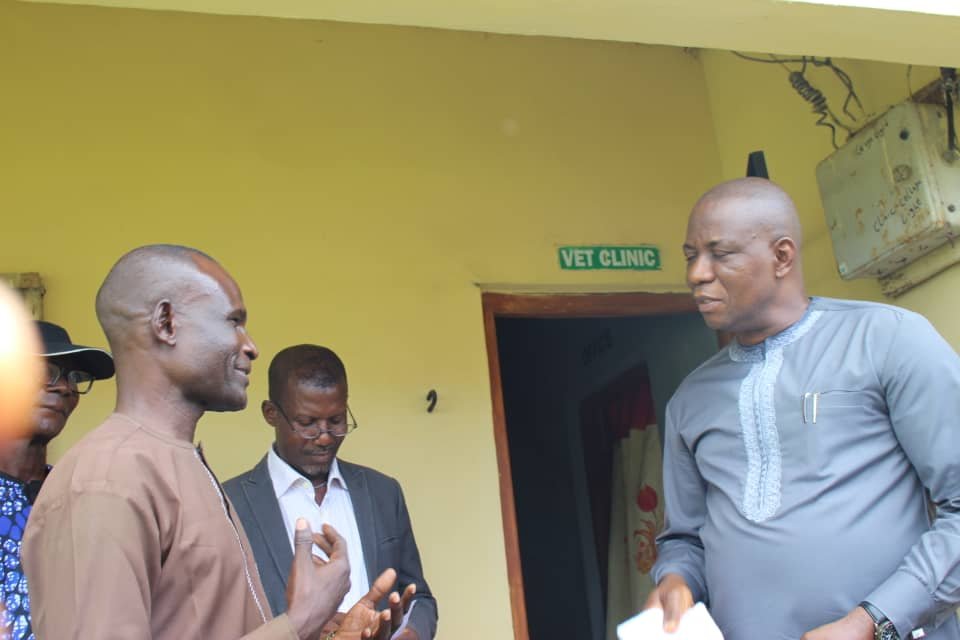
At the College Clinic, Chief Medical Director Dr. Chinedu Ossi briefed the team on challenges ranging from equipment gaps to service delivery. Prof. Agwu assured staff that restoring the Clinic to full functionality remains a top priority, stating that quality healthcare for staff and students is non-negotiable.
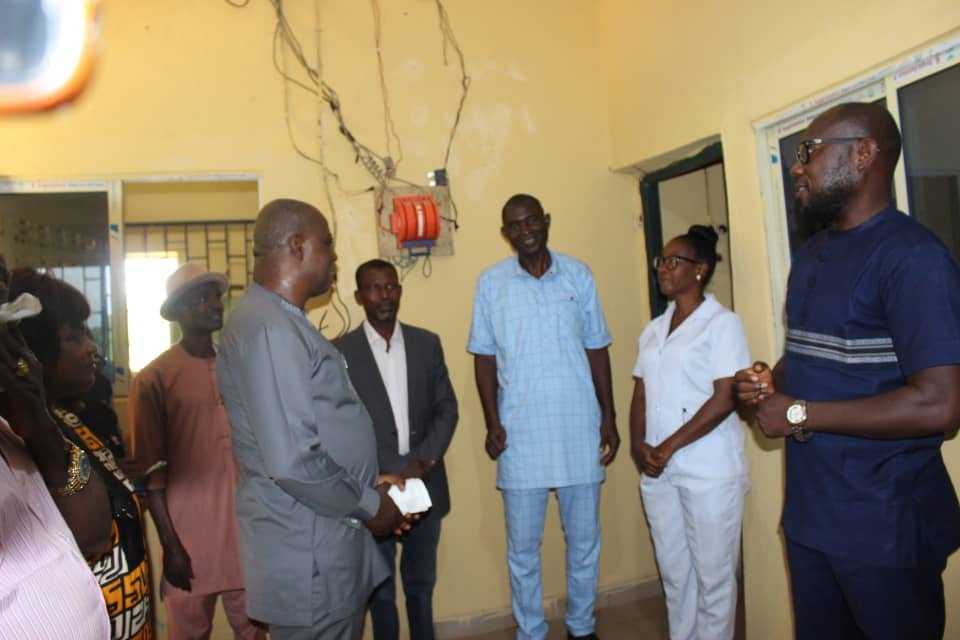
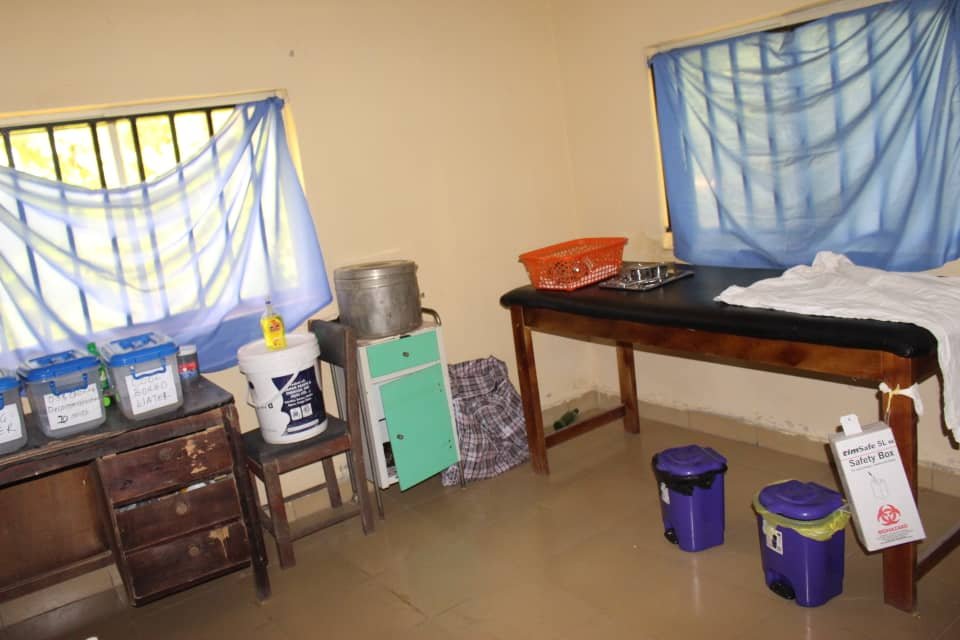
At the SLT Department, Head of Department Mr. Ebubechukwu identified unresolved accreditation issues as the main factor limiting student enrolment. The Provost pledged to engage relevant regulatory bodies.
The College Veterinary Doctor, Dr. Dauda Elisha, also shared insights from his tenure overseeing the livestock unit, offering perspectives to guide future interventions in agricultural training and production.
The third phase covered the School of Engineering, Computer Science Department, Animal Health Department, General Studies (GNS), and the College’s livestock units, including cattle, sheep, goats, and piggery.
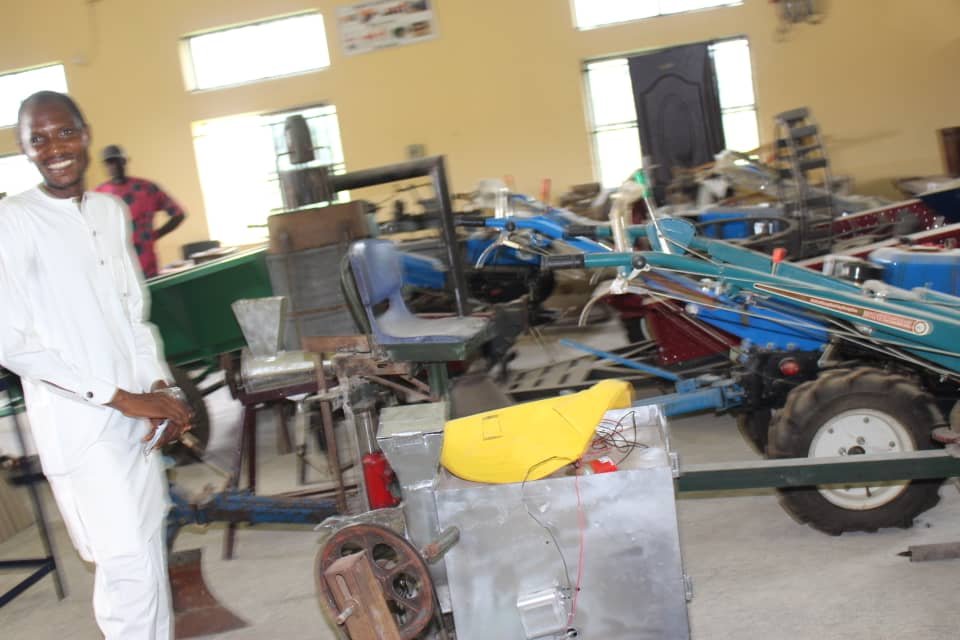
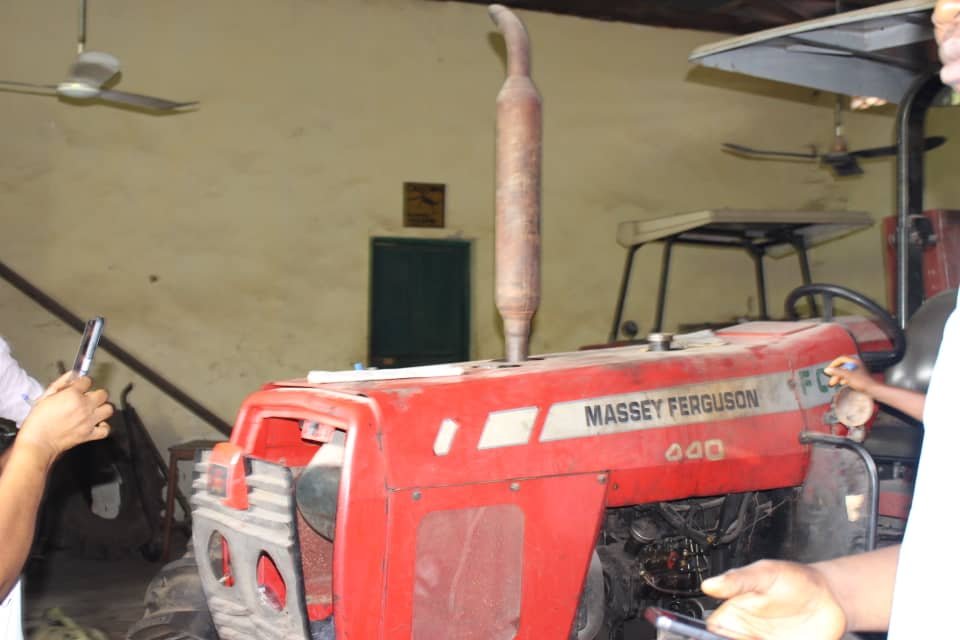
In the School of Engineering, the Provost and management inspected offices, workshops, the fabrication and tractor sections, student project areas, and the woodwork unit. Heads of departments presented operational needs and challenges. Prof. Agwu expressed concern over the poor maintenance culture affecting machines and equipment, noting that many could be repaired and put to productive use as a source of IGR.
Dr. (Mrs.) Ukeje, HoD Computer Science, briefed the Provost on the department’s growth from inception to date. Prof. Agwu acknowledged her report and pledged to intervene as soon as funds became available.
Dr. Benjamin Anyim, HOD General Studies, raised concerns over the vandalism of electrical components in his department, which he said had disrupted academic activities and affected staff productivity. The Provost assured him of prompt intervention.
Provost’s Commitment
At the end, Prof. Agwu, noted that while the College has significant physical structures on ground, poor student enrolment and weak maintenance culture remain pressing challenges.
He reiterated his administration’s commitment to listening, responding, and delivering, subject to the availability of funds. “We have taken note of all issues raised. With focus, and collective effort, we will address them systematically to restore functionality, improve learning conditions, and strengthen the College’s capacity for practical training and IGR generation,” he said.
The campus tour continues….
FOURTH FAMILIARIZATION VISIT TO UNITS AND COURTESY CALLS TO HOST COMMUNITY STAKEHOLDERS
In a continued bid to reposition the Federal College of Agriculture, Ishiagu (FCAI), the Provost, Professor Agwu Ekwe Agwu, has undertaken a series of strategic engagements across the college and its host community. The week’s activities included the fourth phase of his familiarization visits to academic and administrative units, as well as courtesy calls on key community leaders.
In his sustained commitment to an all-encompassing assessment of the college, Professor Agwu Ekwe Agwu undertook his fourth round of visits to various units and departments. The exercise, aimed at engaging directly with unit heads and frontline staff, covered the FCAI Nursery and Primary School, FCAI Secondary School, the Palm Oil and Garri Processing Unit, the Smart Track Computer‑Based Test Centre, the college Guest House, and the matriculation podium.
FCAI Nursery and Primary School
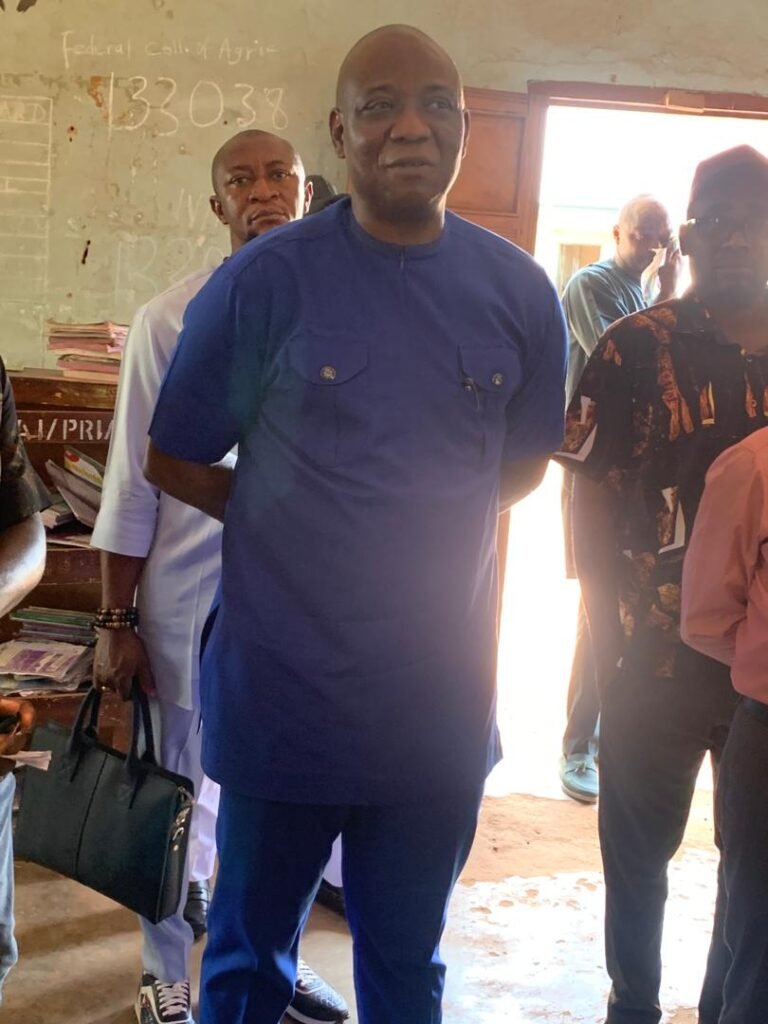
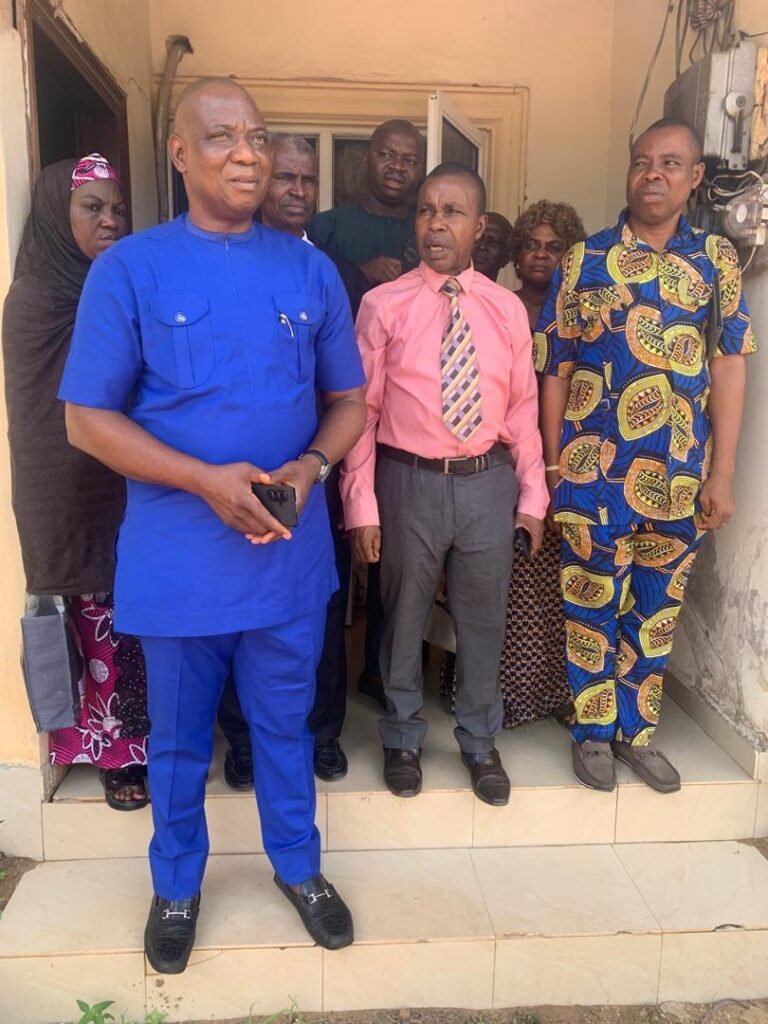
At the FCAI Nursery and Primary School, the Provost observed severe infrastructural decay, including cracked walls resulting from persistent blasting activities at a nearby quarry site, a total lack of electricity supply, and a critical shortage of classrooms. He noted that Primary 5 pupils are currently forced to learn in a makeshift hall – an arrangement he described as entirely unsuitable for effective teaching and learning. The Provost also discovered the poor state of the school’s ICT unit and promised to revive it to strengthen the pupils’ global competitiveness. Furthermore, he noted the absence of a proper payment guidance framework, which makes it impossible to account transparently for income generated by
the institution. Professor Agwu advised the head teacher and her staff to join the collective struggle to restore the battered image of the college.
FCAI Model Secondary School
The Provost proceeded to the FCAI Model Secondary School, where he witnessed similarly poor conditions: dilapidated classrooms, inadequate facilities for teachers, and a general lack of basic amenities.
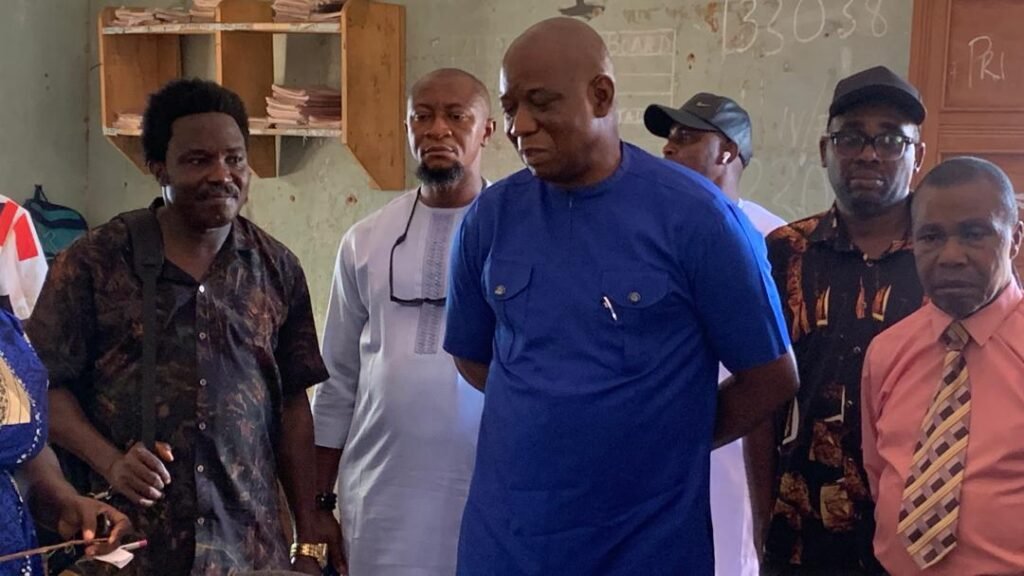
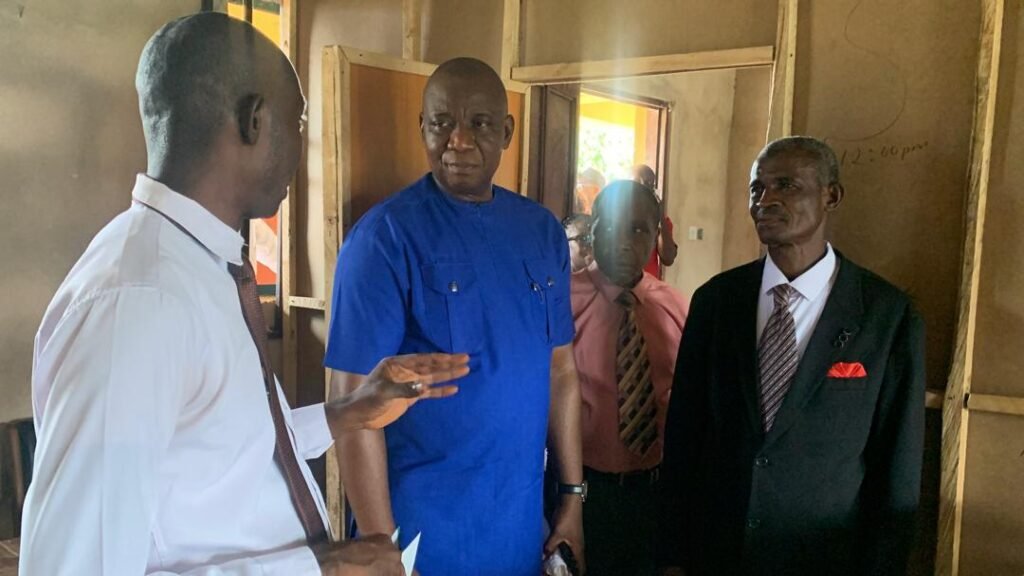
In his characteristic encouraging manner, he assured staff and students that every possible effort would be made, as funds become available, to improve the school’s wellbeing and physical condition. He urged them to do whatever they could in the meantime – such as keeping the environment clean – while awaiting further intervention. Professor Agwu also promised to seek support from both government and private individuals to establish an ICT centre in the school, enabling students to become acquainted with modern educational trends and remain competitive with their peers nationwide.
Palm Oil and Garri Processing Unit: Vandalism and a Call for Private Investment
The Provost’s team then visited the college’s Palm Oil and Garri Processing Unit, only to find it completely moribund. Equipment had been vandalized by hoodlums, and the palm plantation had been taken over by thieves – a situation the Provost condemned in strong terms. He vowed to bring a lasting solution to the menace and announced plans to introduce a private‑sector‑driven mechanism to strengthen operational capacity and internally generated revenue (IGR) for the college
Smart Track Computer‑Based Test Centre: Reviving JAMB Operations
At the Smart Track Computer‑Based Test Centre, Professor Agwu learned that the Joint Admissions and Matriculation Board (JAMB) had withdrawn its activities from the centre because the previous administration failed to honour the terms of the Memorandum of Understanding (MoU) with the firm managing the facility. The Provost promised to re‑engage the company and chart a way forward for reviving the centre, which he believes will generate significant revenue for the college and increase the number of students seeking admission into FCAI.
Guest House and Matriculation Podium: Inspection and Encouragement
The Provost later inspected the college Guest House and found it in a very bad, uninhabitable condition. He pledged to take action as funds become available to restore the facility to usable status. Finally, he visited the podium where work is ongoing in preparation for the 38th Matriculation Ceremony, scheduled for Friday, 22nd May 2026. He expressed satisfaction that the contractor had kept to his word, and he encouraged the workers, assuring them that he hopes their payments will be released soon to enable them to continue with the cleaning of the college environment.
COURTESY CALLS TO HOST COMMUNITY STAKEHOLDERS
In a further effort to foster synergy between the college and its host community, the Provost, on 21st May, paid a courtesy visit to key stakeholders in the area.
Visit to Hon. Nkemkanma Kama, House of Representatives
Nkemkanma Kama, at his country home. Hon. Kama pledged his support, promising to help the college attract projects that will boost its overall wellbeing.
The Provost expressed profound gratitude to both distinguished leaders and pledged to work closely with them to ensure that the institution experiences better days ahead.
The week’s activities concluded with the entire team retiring to the Provost’s office, where they were treated to light refreshments.
Professor Agwu Ekwe Agwu reiterated his administration’s resolve to reposition the college through transparency, accountability, strategic partnerships, and strong community relations. He called on all members of the college community – staff, students, and host neighbours alike – to play their part in the ongoing transformation.
Visit to His Excellency, Anyim Pius Anyim GCON


Professor Agwu first led his team to the country home of His Excellency, Anyim Pius Anyim, GCON, former Secretary to the Government of the Federation (SGF) and former President of the Nigerian Senate (2000–2003). During the warm and productive engagement, the Provost candidly shared the challenges he has met on the ground at the college and pleaded with the elder statesman to assist in repositioning the institution to regain its past glory.